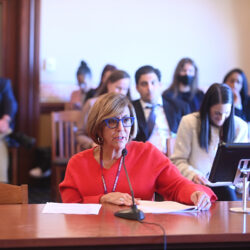
Calling for action on zoning reform to address the severe shortage of affordable homes in Chicago and across the state, State Senator Sara Feigenholtz outlined a pair of proposals she’s spearheading that would help address the affordable housing crisis in Illinois by unlocking new tools to drive housing development during a subject matter hearing Thursday.
“Homeowners and renters are counting on us to take action to keep their homes and communities affordable,” said Feigenholtz (D-Chicago). “Modernizing outdated building codes and giving congregations new tools to preserve housing are significant steps we can take to address the affordable housing crisis people are facing right now.”
Data from the Illinois Economic Policy Institute and Project for Middle Class Renewal at the University of Illinois at Urbana-Champaign shows a lack of housing options in Illinois – a challenge that would require at least 225,000 new units to be built over the next five years to meet the demand.
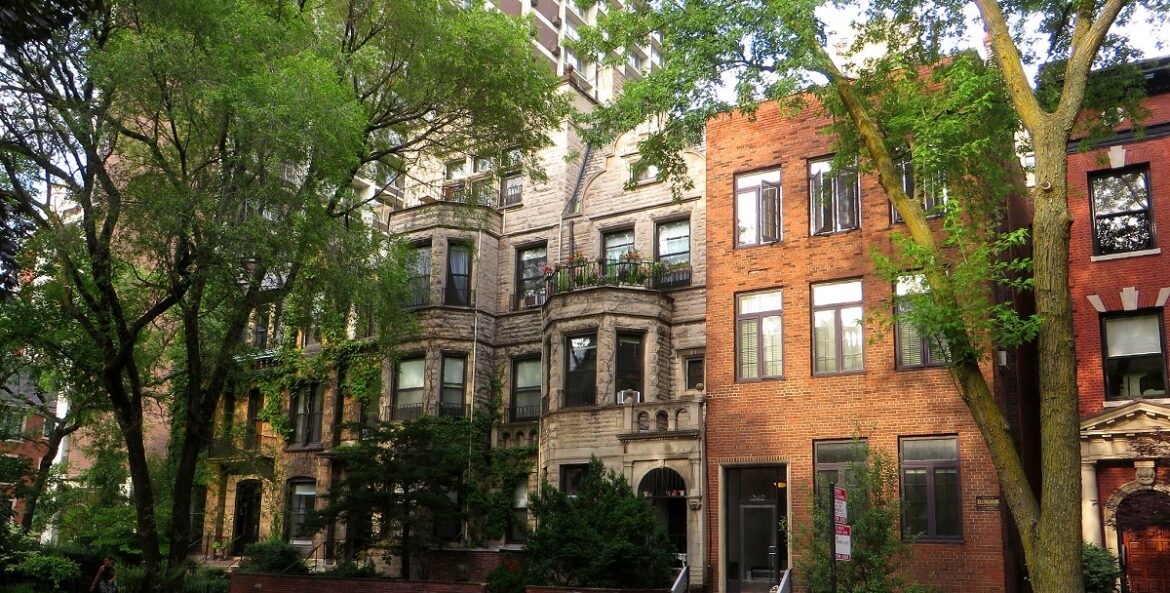
As part of Governor JB Pritzker’s Building Up Illinois Developments – or BUILD – proposal, Feigenholtz is leading Senate Bill 4061. The measure would end the current dual staircase requirement, allowing for the construction of single-stairway apartment buildings up to six stories tall in communities across the state. The goal is to spur development without sacrificing safety, particularly in neighborhoods where vacant land is scarce, expensive or uniquely shaped. Single-stair buildings tend to be easier for developers to build for several reasons, including their lower cost and smaller size.
During the hearing, Feigenholtz also outlined Senate Bill 3187, which would give faith-based organizations a clear path to develop mixed-use and multifamily developments on their land. The measure would exempt faith-based property owners who build affordable housing on their property from strict zoning requirements that currently hinder the development of affordable housing on this type of land.
Together, the measures aim to ensure statewide housing policy reflects the reality that there are not enough available homes to meet demand. By empowering congregations and developers to build more affordable homes, Feigenholtz emphasized that her proposals would work in tandem to spark statewide housing development and support stronger, more resilient communities.
Feigenholtz looks forward to continued conversations with her colleagues, advocates and stakeholders in hopes to advance the legislation.