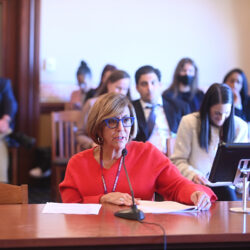
State Senator Sara Feigenholtz is leading a transformative proposal that aims to give faith-based organizations the tools to revitalize and redevelop closed and underutilized houses of worship into affordable residential housing.
“Many religious institutions already serve vulnerable populations through programs and outreach services,” said Feigenholtz (D-Chicago). “Extending these services to include permanent or supportive housing is a natural progression of their mission.”
The affordability crisis is hurting families everywhere, especially in the housing market. Illinois, like much of the nation, faces a significant housing shortage that has only grown in recent years. Data from the Illinois Economic Policy Institute and Project for Middle Class Renewal at the University of Illinois at Urbana-Champaign shows a lack of housing options in Illinois – a challenge that would require at least 225,000 new units to be built over the next five years to meet the demand.
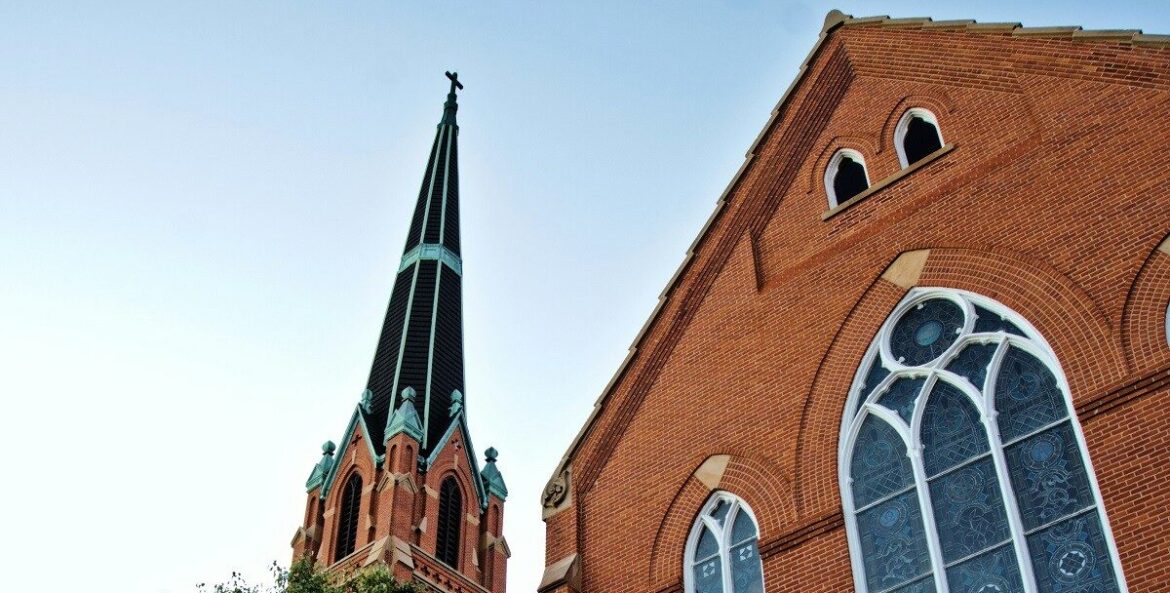
Churches, as well as other faith-based organizations, often own underutilized property that could be developed to expand the supply of affordable housing. Doing so would provide significant untapped benefits, from supporting organizations’ charitable missions to providing revenue that can provide more stability for smaller congregations. Yet many faith-based organizations face significant challenges in leveraging their property for housing, including limited financing options, regulatory barriers and limited real estate knowledge. Feigenholtz’s measure would help streamline this process.
Senate Bill 635 would give established faith-based organizations the ability to develop mixed-use and multifamily housing developments on their land “by right,” so long as the developments comply with generally applicable building codes. The proposal offers a localized, community-driven “win-win” that can help tackle the state’s affordable housing shortage while supporting smaller congregations not just in Chicago, but also in cities and villages across the state.
“This would be a game changer,” Feigenholtz added. “We’re talking about unlocking the power to transform significant parcels of land congregations already own – like parking lots, vacant schools and other undeveloped property – and inviting them to be part of the solution.”
Senate Bill 635 passed the Senate Executive Committee Tuesday.